

Sanctum TTS
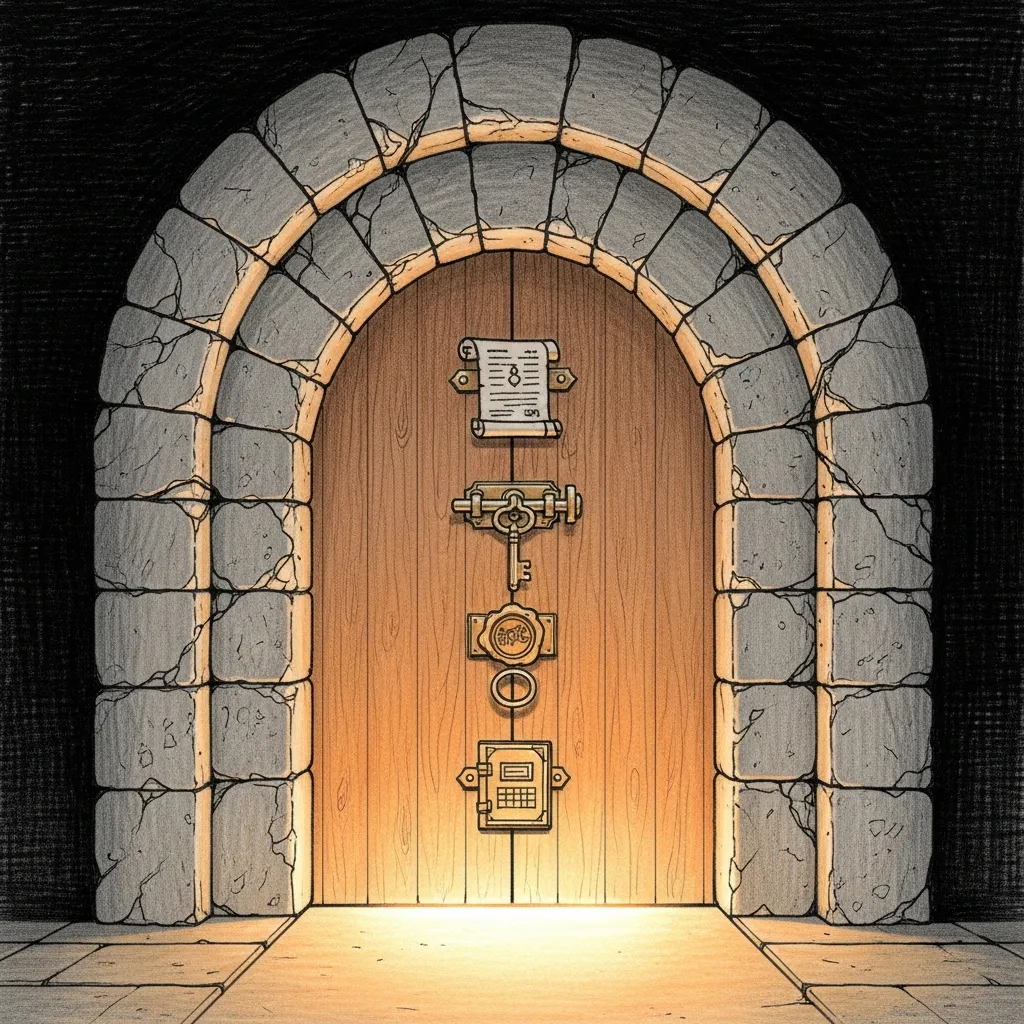
Yoda’s voice answers the phone. Mothma narrates the morning briefing. Someday soon Neo’s own digital twin does both, in English and in Quebec French, depending on who dialed. For any of that to be safe to put on a phone line that connects to the outside world, the TTS layer has to be two things at once: clean enough that adding a new voice is a YAML edit, and boundary-enforced enough that an adversary who reaches the port can’t impersonate someone. sanctum-tts is that layer — one organ of the Living Force, the haus’s immune system, and the one that has to be trusted precisely because it speaks in someone else’s voice.
One Front Door, Many Backends
Section titled “One Front Door, Many Backends”Every TTS engine brings its own Python environment, model format, and cloning quirks. Qwen3-TTS lives inside mlx-audio’s venv. OpenVoice v2 clashes with it on torch/transformers pins. Coqui XTTS had its own world before we retired it. Keeping them in separate processes, each behind its own LaunchAgent, is the only sane way to add new engines without deps wars.
sanctum-tts is the Rust dispatcher on :8008. Callers ask for a voice by name; the daemon hands the request to whichever adapter the registry declares. Python never enters the dispatcher’s process — adapters are thin HTTP proxies, kept in their own venvs the way you’d keep two cats in separate rooms.
┌──────────────┐ ┌──────────────┐clients ──▶│ sanctum-tts │──────▶│ cbx-yoda │ (mTLS) │ :8008 │ │ :8011 (py) │ Bearer ──▶│ dispatches │──────▶│ openvoice │ │ by voice │ │ :8009 (py) │ (planned) │ signs WAV │ └──────────────┘ │ audits │ └──────────────┘The :8009 slot is the intended home for the OpenVoice worker — but right now that port belongs to the speech-to-text server (workers.stt_server). Standing up OpenVoice means either evicting STT first or picking a free port; the adapter still answers NotImplemented either way, so nothing collides until the day we wire it.
The Five Layers
Section titled “The Five Layers”Every POST /speak passes through five independent defenses. Each is individually toggleable, so a laptop dev run can disable all of them while a phone-facing production deploy can demand every one. Layer 1 shares its certificate authority with the rest of the mesh — the same mTLS migration that hardened the council, reused rather than reinvented.
| # | Layer | Purpose | Stored in |
|---|---|---|---|
| 1 | mTLS | Cert-authenticated wire; same CA as council-mlx. | ~/.sanctum/certs/ |
| 2 | Bearer-token ACL | Per-voice authorization. Hashes only in config; plaintext lives with the client. | tts.yaml (SHA-256 only) |
| 3 | Reference-clip pin | SHA-256 of every voice’s reference WAV. Mismatch at startup disables the voice. | tts.yaml per voice |
| 4 | Ed25519 signing | Every synthesized WAV carries a signed manifest (caller, voice, timestamp, text hash, audio hash). | WAV LIST/INFO chunk + HTTP header |
| 5 | Hashed audit log | Append-only JSONL; text is SHA-256’d before write so the log never becomes a surveillance vector. | ~/.openclaw/logs/tts-audit.jsonl |
What Each Layer Defends Against
Section titled “What Each Layer Defends Against”Signing — What It Proves, What It Doesn’t
Section titled “Signing — What It Proves, What It Doesn’t”The signed manifest is canonical JSON with a stable field order:
{"v":1,"ts":"...","signer_id":"...","caller_id":"...","voice":"...","text_sha256":"...","audio_sha256":"..."}Ed25519 over the UTF-8 bytes of that JSON. The signature + JSON both embed into the WAV as a RIFF LIST/INFO chunk (ICMT = manifest, IART = base64 signature). Clip travels, signature travels with it. Standard WAV readers ignore the chunk and play the audio; sanctum-tts-verify reads it and answers.
What this proves: any intact WAV came from a specific sanctum-tts instance (identified by signer_id = first 8 hex of SHA-256(pubkey)), with known caller/voice/text/timestamp.
What it does not prove: robustness to re-encoding. wav → mp3 → wav drops the RIFF INFO chunk; signature gone. The clip still sounds the same; we just lose the origin proof. Closing that gap needs a perceptual watermark layer (SilentCipher, AudioSeal) — deliberately scoped out of the MVP rather than shipped as handwritten theater.
Operator Tools
Section titled “Operator Tools”# One-time: create the Ed25519 keypair at ~/.sanctum/keys/sanctum-tts-admin keygen
# Mint a bearer token for a caller. Plaintext shown ONCE.sanctum-tts-admin issue-token livekit-agent
# Compute SHA-256 for a reference clip to pin in tts.yamlsanctum-tts-admin pin ~/.openclaw/tts-voices/yoda-do-or-do-not.wav
# Inspect the current signersanctum-tts-admin show-pubkey
# Verify a clip's signature + integritysanctum-tts-verify clip.wavsanctum-tts-verify --json clip.wavExit codes of sanctum-tts-verify: 0 verified, 1 I/O, 2 unsigned, 3 signature invalid, 4 audio tampered after signing.
Voice Registry
Section titled “Voice Registry”Add a voice with three YAML lines plus a pin:
voices: yoda: adapter: qwen3 reference: yoda-do-or-do-not language: en reference_sha256: 8f2a... # sanctum-tts-admin pinAdding Neo as a digital twin once OpenVoice v2 lands becomes two entries — neo (English) and neo_fr (Quebec French) — pointing at the same 2-3 min reference recording. The voice-clone recipe is already written down; the only missing input is Neo standing still long enough to record it.
What Shipped 2026-04-24
Section titled “What Shipped 2026-04-24”sanctum-xttsrenamed →sanctum-tts(Coqui worker retired).TtsAdaptertrait + typedTtsError.- Dispatcher with
POST /speak,GET /voices,GET /voices/{id},GET /health. QwenAdapterproxies to the Chatterboxcbx-yodavoice engine on:8011(the mlx-audio OpenAI-compatible server; replaced Qwen3-TTS).OpenVoiceAdapterstub + 5-step wiring checklist in README.- All five defense layers, toggle-by-toggle.
sanctum-tts-admin+sanctum-tts-verifyCLIs.- 25 unit tests.
- Record Neo’s reference.
- Stand up the OpenVoice worker — but find it a port first, since
:8009is currently the STT server. - Flip
OpenVoiceAdapterfromNotImplementedto real proxy. - A/B blind-test Neo-English through Chatterbox vs OpenVoice.
- Neo-in-French becomes a YAML line.
- Later: perceptual watermarking layer for re-encode robustness.
Until the reference exists, the door holds one voice, signs every clip it speaks, and can prove it. A phone line to the outside world is a strange place to put someone you love — so we built the layer that makes sure that whoever answers, sanctum can prove it was really us.
Related
Section titled “Related”- The Living Force — the immune system this service plugs into
- Chitti — The Fascial Layer — the pressure/presence field sanctum-tts will read before heavy loads
- 2026-04-24 — Five Locks on the Voice Door — field note for the hardening session